
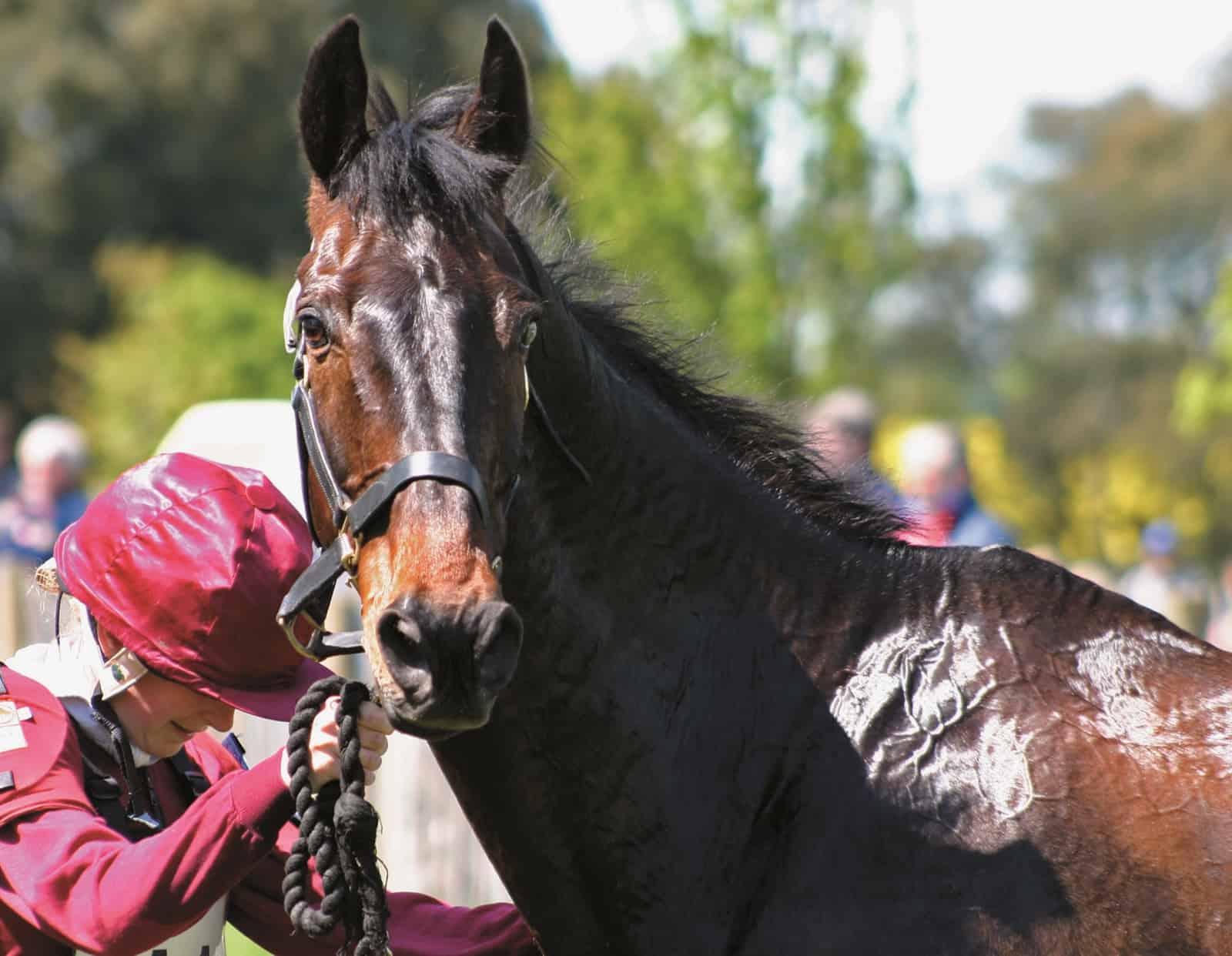
Electrolytes are something most horse owners will come across sooner or later, especially during the warmer months or when a horse is doing regular work. They are often recommended for horses that sweat heavily, but it is useful to understand what electrolytes actually do and when a horse may benefit from having extra in the diet.
When a horse sweats, it loses more than just water. Sweat also contains important minerals, including sodium, chloride and potassium. These minerals are involved in maintaining normal hydration, nerve function and muscle function, so replacing them becomes more important when a horse is losing large amounts through sweating.
What are electrolytes?
Electrolytes are minerals that carry an electrical charge when dissolved in the body’s fluids. Sodium, chloride and potassium are the main electrolytes involved in sweat losses in horses, although calcium and magnesium are also important minerals within the body.
They have several jobs. They help regulate the movement of fluids around the body, support normal nerve signals and are involved in muscle contraction. This is why maintaining the right electrolyte balance becomes particularly important during periods of heavy exercise and sweating.
A horse that is standing in a paddock and not sweating heavily will have very different electrolyte requirements from a horse working hard in hot weather.
Horses lose electrolytes when they sweat
Sweating is an important part of how a horse cools itself. During exercise, the muscles produce heat and sweating allows the horse to lose that heat.
The problem is that sweat contains electrolytes as well as water. The more a horse sweats, the more electrolytes it loses.
Sodium and chloride make up a significant portion of the electrolytes lost in equine sweat, while potassium is also lost in considerable amounts. This is one reason why a horse that has completed a long or strenuous workout may have different electrolyte requirements from a horse doing light exercise.
Hot and humid weather can increase the amount of sweating as well. Some horses will sweat considerably during relatively normal work when temperatures are high.
Does every horse need an electrolyte supplement?
Not necessarily.
A horse’s normal diet can provide many of the minerals it needs, and salt is an important source of sodium and chloride. Horses that are not sweating heavily may not require a dedicated electrolyte supplement.
The situation changes when a horse is regularly sweating large amounts. Competition horses, endurance horses and horses doing strenuous work in hot conditions can lose significant quantities of electrolytes through sweat.
This is where supplementation can be useful.
It is also worth considering the horse’s existing diet before adding anything. The amount of salt, forage and other mineral sources already being fed will influence how much additional supplementation is appropriate.
What should you look for in an electrolyte?
There are many different electrolyte products available for horses, and they are not all formulated in the same way.
When comparing products, look at the actual nutritional information rather than just the name on the container. Sodium, chloride and potassium are particularly important when replacing sweat losses.
Some products also contain calcium, magnesium or other ingredients. Others contain sugars such as glucose or dextrose. These ingredients aren’t necessarily a problem, but it is useful to know exactly what you are feeding and how much of each mineral the horse receives at the recommended dose.
The feeding instructions are important too. A product designed to be fed at a relatively small daily amount may have a very different concentration from one that is fed in larger quantities.
Some electrolyte products available from EquiPet
Recommended products
-
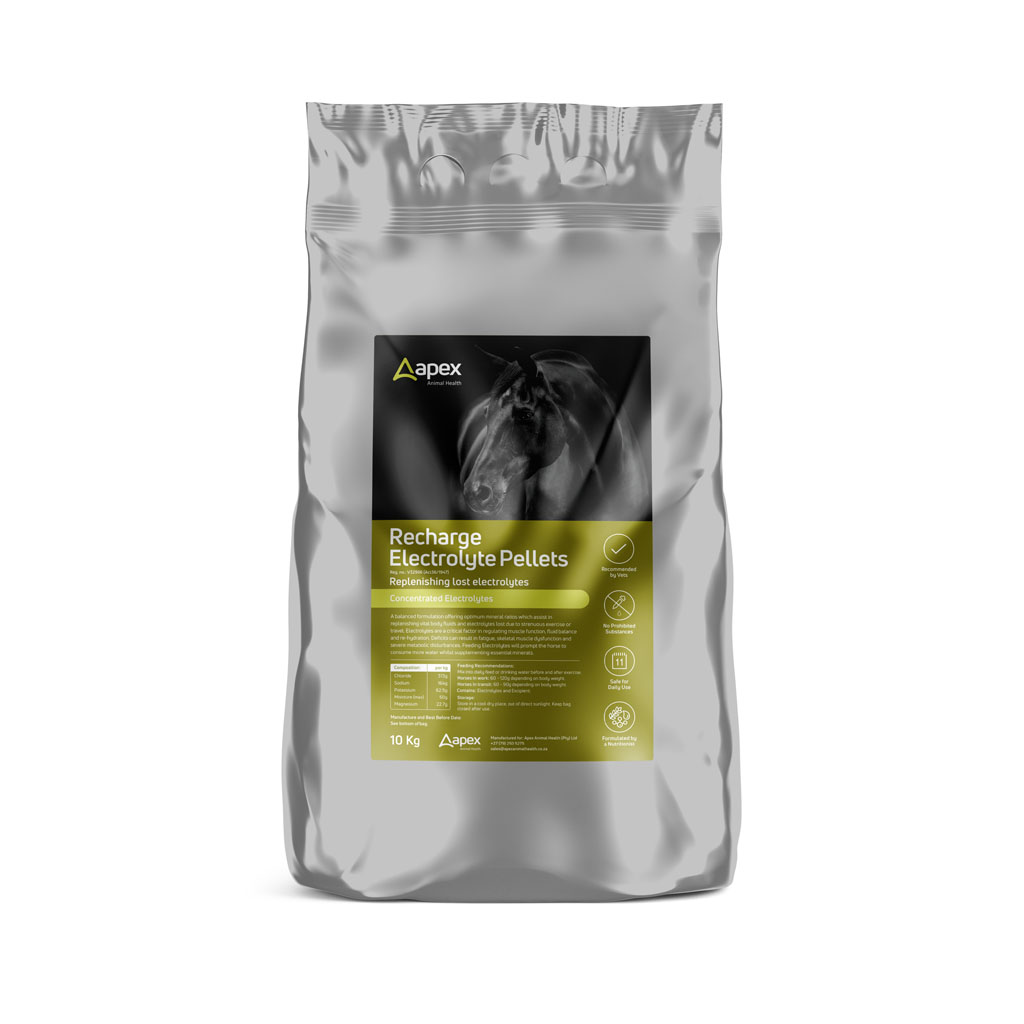
Recharge Electrolyte Pellets
Price range: R300,00 through R850,00 inc. Vat -
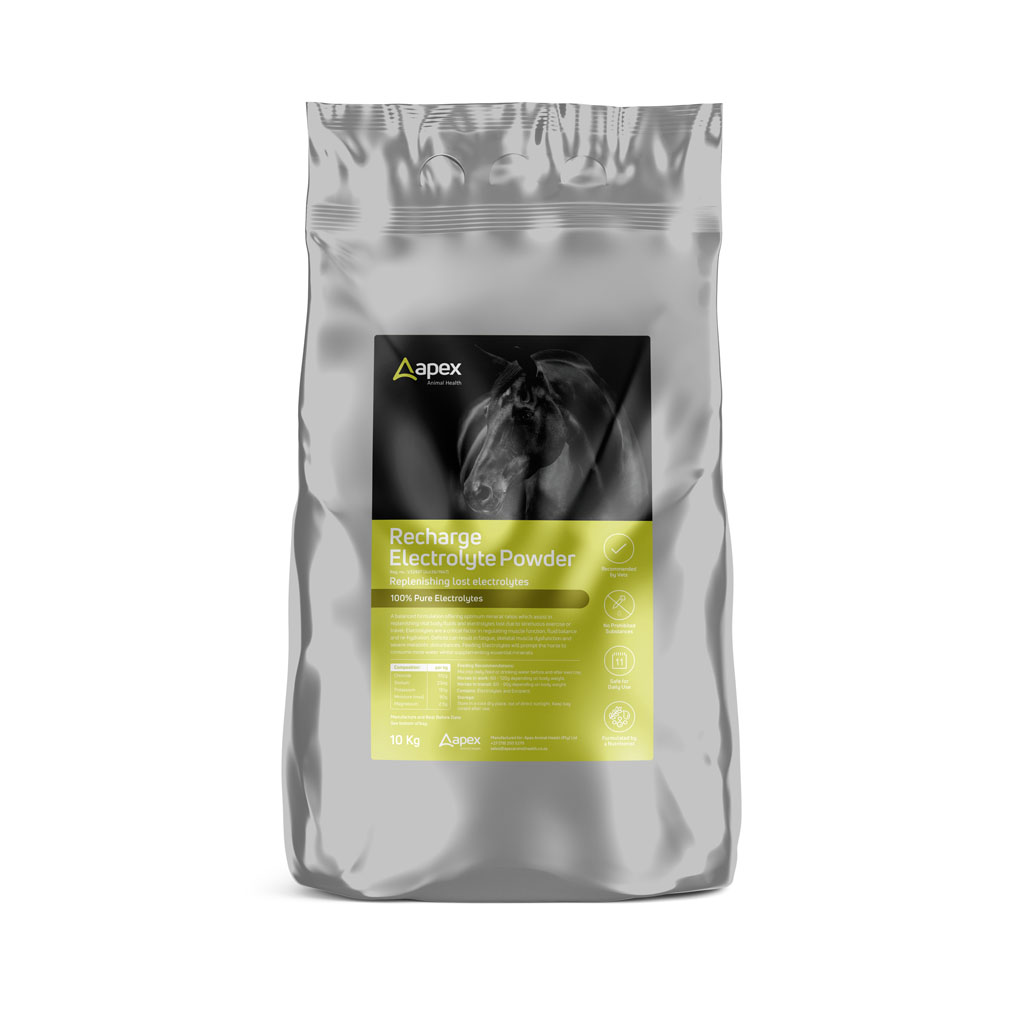
Recharge Electrolyte Powder
Price range: R269,71 through R720,00 inc. Vat -
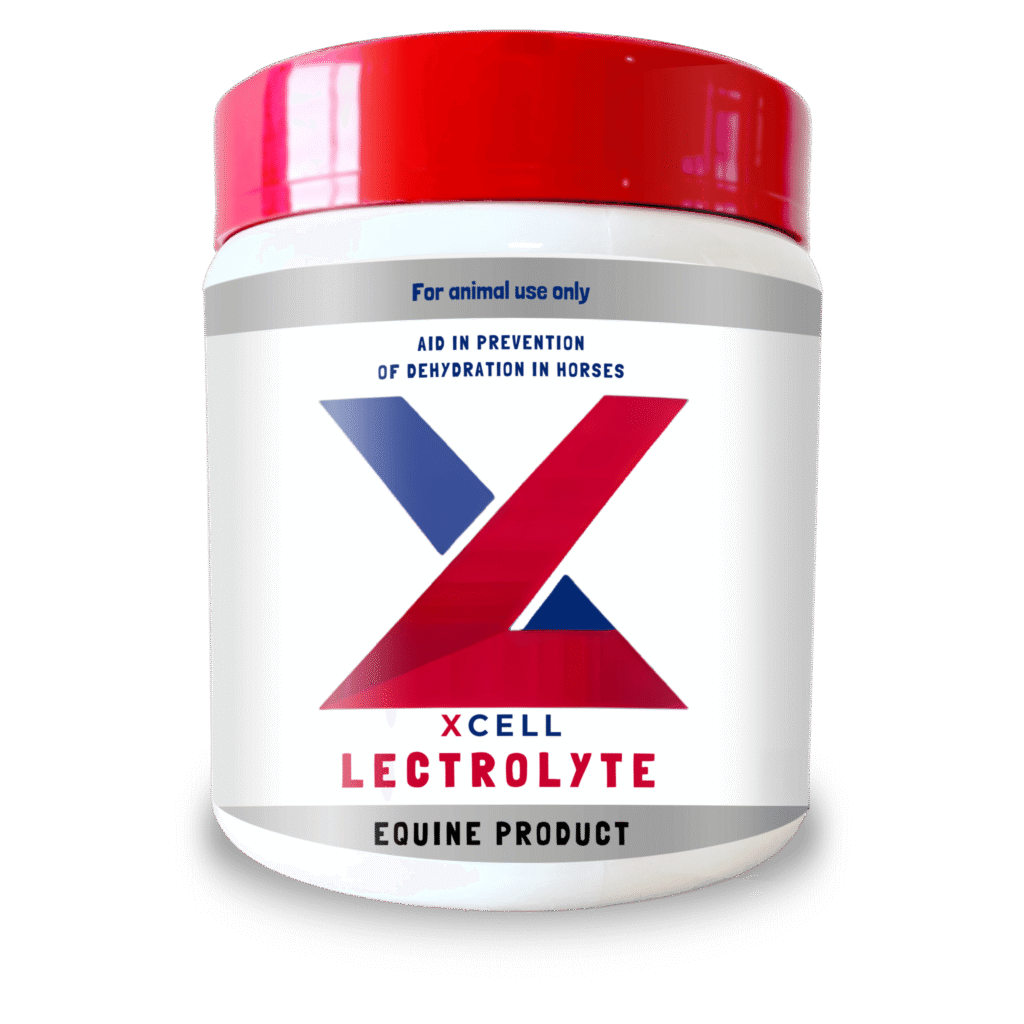
Lectrolyte Equine Powder 1kg
R695,00 inc. Vat
Electrolytes and water go together
Giving an electrolyte supplement does not replace the need for water. In fact, access to fresh water is one of the most important parts of managing a horse after exercise and during hot weather.
Some horses don’t particularly like the taste of electrolytes mixed into water. For this reason, it can be useful to provide plain drinking water as well, rather than relying on electrolyte water as the only source of water.
A horse that has been sweating heavily should be allowed to drink and cool down normally. Electrolytes can help replace minerals lost through sweating, but they are only one part of maintaining good hydration.
When are electrolytes particularly useful?
Electrolytes are most relevant when there has been significant sweat loss.
This can happen during strenuous exercise, long training sessions, competitions, endurance work or exercise in hot weather. They can also be useful during periods when a horse is consistently sweating more than usual.
For a horse doing light work in mild conditions, the need for additional electrolytes may be considerably lower.
This is why it makes more sense to look at the individual horse and how much it is sweating rather than automatically giving an electrolyte supplement simply because it is summer.
What about salt?
Salt is an important part of a horse’s electrolyte intake. Sodium and chloride are both lost through sweat, and salt is a simple way of supplying these minerals.
Many horses should have access to a suitable source of salt as part of their normal management. However, salt alone does not provide the same range of electrolytes as a properly formulated electrolyte supplement.
A horse that has lost a large amount of sweat may also have lost substantial amounts of potassium and other minerals. In these situations, a complete electrolyte product may be more appropriate than relying on salt alone.
Electrolytes during hot weather
South African summers can make electrolyte management particularly relevant for horses that are exercised regularly.
The temperature isn’t the only thing to consider. Humidity, workload, fitness and the individual horse all affect how much it sweats.
A horse that finishes a workout drenched in sweat has lost considerably more fluid and electrolytes than a horse that barely sweats during the same amount of exercise.
Keeping plenty of clean, fresh water available, providing an appropriate source of salt and considering electrolyte supplementation when sweat losses are high can all form part of sensible summer management.
How much electrolyte should you give a horse?
There isn’t one dose that is suitable for every horse.
The appropriate amount depends on the product, the horse’s size, its diet, how much it is exercising and how much it is sweating. The manufacturer’s recommended feeding rate should therefore be followed rather than increasing the amount simply because the weather is hot.
For horses doing particularly demanding work or losing large amounts of sweat, it can be useful to discuss the overall diet and electrolyte requirements with an equine nutritionist or veterinarian.
Electrolytes are an important part of horse nutrition, but they work best when considered as part of the horse’s overall diet and management.
For a horse that is sweating heavily, replacing both the water and minerals lost through sweat can help support normal hydration and recovery. For a horse doing very little work, additional supplementation may not be necessary.
Understanding how much your horse is actually sweating is a good place to start when deciding whether an electrolyte supplement belongs in the daily feed.
Leave a Reply